What is Trading? A Beginner’s Guide on How to Learn Trading
Introduction
In recent years, trading has become one of the most popular ways people try to grow their money online. With the rise of stock markets, forex, and cryptocurrencies, more individuals are becoming interested in learning how trading works.
However, trading is not just about buying and selling assets randomly. It requires knowledge, patience, discipline, and a clear strategy. Many beginners enter the market with the hope of making quick money, but without proper understanding, they often face losses.
What is Trading?
Trading refers to the process of buying and selling financial assets in order to make a profit from price movements.

These assets can include:
- Stocks
- Currencies (Forex)
- Cryptocurrencies
- Commodities like gold or oil
The basic idea behind trading is simple: buy an asset at a lower price and sell it at a higher price. The difference between the buying price and selling price becomes your profit.
Different Types of Trading
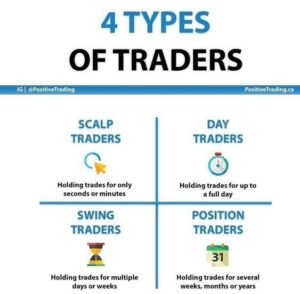
There are several styles of trading, and traders choose them depending on their time availability and strategy.
Day Trading
Day trading involves opening and closing trades within the same day. Traders do not hold positions overnight. This style requires quick decision-making and constant market monitoring.
Swing Trading
Swing trading involves holding trades for several days or even weeks. Traders aim to capture medium-term price movements in the market.
Scalping
Scalping is a short-term trading style where traders make many small trades throughout the day. The goal is to earn small profits from tiny price movements.
Position Trading
Position trading is a long-term trading approach where traders hold positions for weeks, months, or even years. It often relies on fundamental analysis.
What is Technical Analysis?
Technical analysis is the study of price charts and market patterns to predict future price movements.
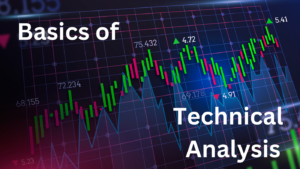
Traders use various tools and indicators such as:
- Support and resistance levels
- Trendlines
- Moving averages
- RSI (Relative Strength Index)
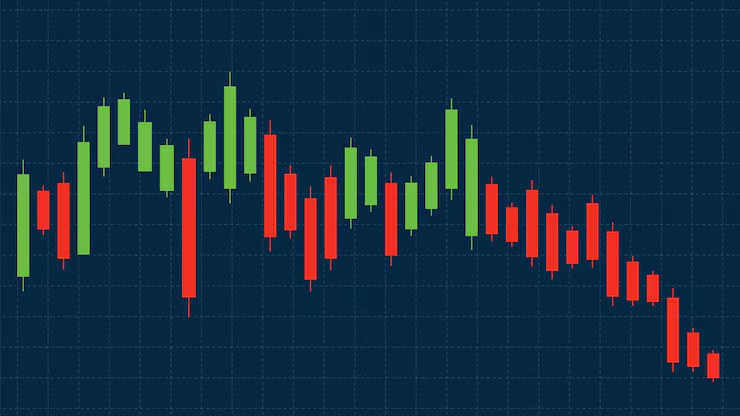
- Candlestick patterns
Technical analysis is widely used by short-term traders because it focuses mainly on price behavior and market trends.
What is Fundamental Analysis?
Fundamental analysis focuses on understanding the underlying factors that influence the value of an asset.
For example, in stock trading, investors study a company’s financial performance, revenue, and future growth potential.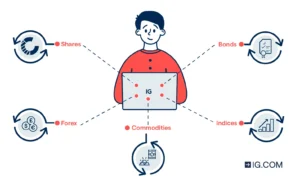
In forex trading, traders analyze economic factors such as:
- Interest rates
- Inflation
- Economic growth
- Government policies
These factors can influence the value of currencies and other financial instruments.
The Importance of Risk Management
One of the most important aspects of trading is risk management. Even professional traders experience losses, but they survive in the market by controlling their risk.
Some basic risk management principles include:
- Always using a stop-loss order
- Risking only a small percentage of capital per trade
- Avoiding emotional trading
- Not overtrading
Managing risk properly helps traders protect their capital and stay in the market for the long term.
How to Learn Trading as a Beginner
If you are new to trading, it is important to build your knowledge step by step instead of rushing into the market.
Learn the Basics
Start by understanding how financial markets work, how charts operate, and how trading platforms function.
Practice with a Demo Account
Many trading platforms offer demo accounts where you can practice trading without risking real money.
Develop a Strategy
Successful traders follow a clear strategy based on market analysis rather than emotions.
Focus on Risk Management
Learning how to protect your capital is just as important as learning how to make profits.
Keep a Trading Journal
Tracking your trades can help you understand what works and what doesn’t in your strategy.
Common Mistakes New Traders Make
Many beginners face losses because they make common mistakes such as:
- Expecting quick profits
- Trading without proper knowledge
- Ignoring risk management
- Following random tips or signals
- Letting emotions control decisions
Avoiding these mistakes can significantly improve your chances of becoming a better trader.
Conclusion
Trading can be a powerful financial skill if it is approached with the right mindset and proper education. While it offers opportunities for profit, it also involves risk and requires continuous learning.
For beginners, the key is to focus on education, practice regularly, and develop discipline. With patience and consistent effort, trading can become a valuable long-term skill.